Wildlife Photography Hidden Wild Moments
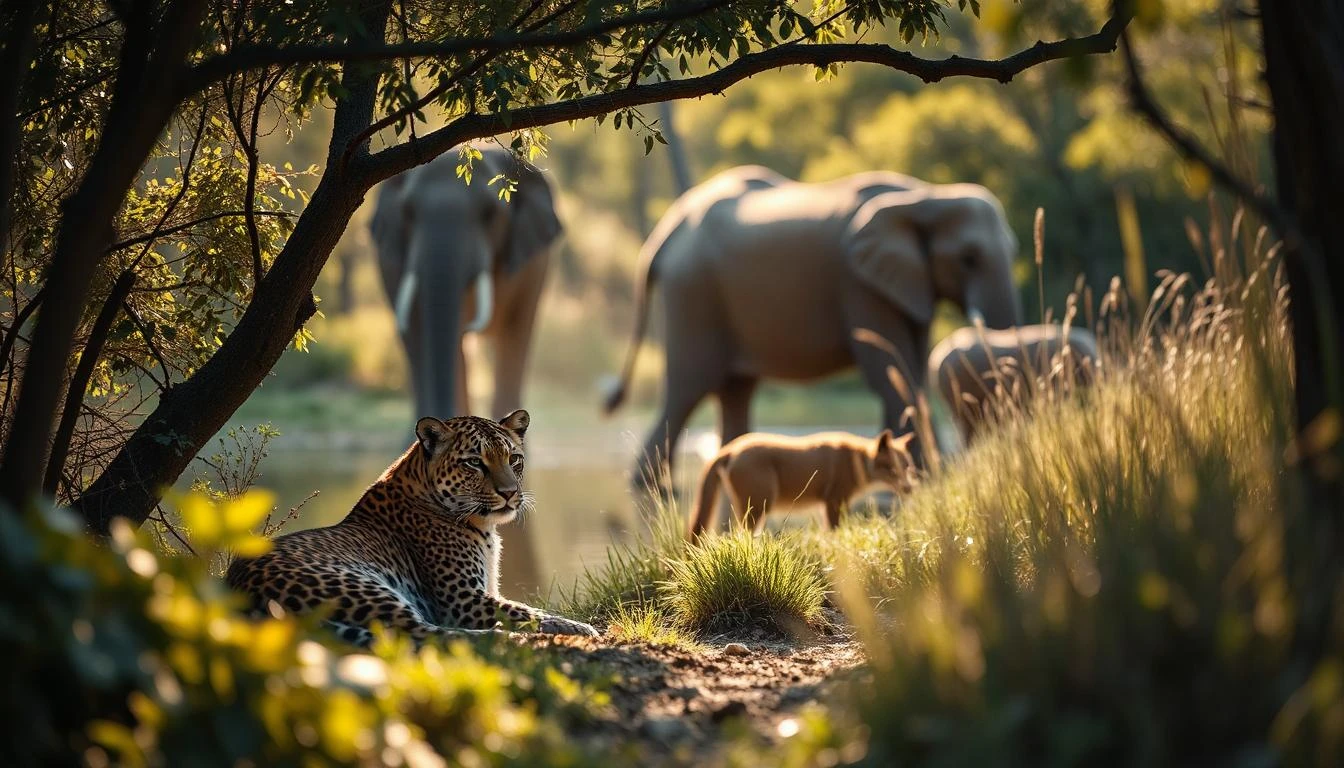
Nature is filled with extraordinary stories that often unfold far from crowded tourist trails and busy human activity. In remote forests, hidden wetlands, and untouched grasslands, animals display fascinating behaviors that many people never have the opportunity to witness. These rare encounters create a sense of wonder and remind us that the natural world still holds countless secrets waiting to be discovered.
For photographers and wildlife enthusiasts, Wildlife Photography hidden wild moments offers a unique opportunity to preserve authentic scenes that last only a few seconds before disappearing forever. From predators silently stalking their prey to birds performing intricate courtship displays, these fleeting moments transform ordinary photographs into powerful visual stories that inspire curiosity, appreciation, and a deeper connection with nature.
The Art of Capturing Hidden Wildlife Moments
Nature often reveals its most extraordinary stories when nobody expects them. Deep within forests, across remote grasslands, and along untouched wetlands, animals display behaviors that remain hidden from most human eyes. These fleeting encounters are what make wildlife photography so captivating. Every image has the potential to tell a story of survival, adaptation, and beauty that unfolds naturally in the wild.
For photographers and nature enthusiasts alike, Wildlife Photography hidden wild moments represents more than simply capturing an animal on camera. It is about preserving authentic experiences that happen in a fraction of a second and may never occur in exactly the same way again. The ability to document these rare scenes transforms a photograph into a powerful visual narrative that continues to inspire curiosity long after the shutter closes.
One of the reasons these hidden moments feel so rewarding is the challenge involved in finding them. Through Wildlife Photography nature camera techniques, photographers learn to blend technical skill with observation, allowing them to capture wildlife in its most natural state while minimizing disturbance to the environment.
According to renowned wildlife photographer Frans Lanting, photography has the power to connect people with nature in ways that inspire conservation. This perspective highlights why documenting authentic wildlife behavior remains valuable not only for photographers but also for future generations seeking a deeper understanding of the natural world.
Understanding animal behavior in the wild
Understanding animal behavior is often the difference between an ordinary image and an unforgettable photograph. Wildlife follows patterns shaped by feeding habits, territorial boundaries, migration cycles, and seasonal changes. Learning these patterns helps photographers anticipate moments before they happen.
When observing animals, patience becomes just as important as camera settings. A subtle movement in nearby vegetation, a change in bird calls, or repeated behavior in a particular location can all provide clues that something remarkable is about to unfold.
Timing and patience in wildlife photography
The best wildlife photographs rarely happen by accident. Many iconic images are the result of hours spent waiting quietly in the field, observing and allowing nature to proceed without interruption.
Early morning and late afternoon are often the most productive times for wildlife activity. During these periods, animals are commonly feeding, hunting, or interacting socially. The combination of active wildlife and softer light creates ideal conditions for memorable photographs.
Using natural light for authentic shots
Natural light adds realism and emotion to wildlife photography. The warm tones of sunrise and sunset can create depth and atmosphere that artificial lighting often struggles to replicate.
Cloudy days can also be surprisingly beneficial. Diffused light reduces harsh shadows and reveals fine details in fur, feathers, and surrounding landscapes. Learning to work with available light allows photographers to create images that feel authentic and immersive.
Essential Gear for Wildlife Photography
Every successful wildlife photography adventure begins with preparation. While skill and observation remain essential, having the right equipment can significantly improve the ability to react when unexpected opportunities appear in front of the lens.
The combination of Wildlife Photography nature camera equipment and field-ready accessories allows photographers to remain mobile, comfortable, and prepared for changing environmental conditions while pursuing hidden wildlife moments.
According to wildlife photographer Art Wolfe, great wildlife photography is not only about technical perfection but also about understanding the relationship between animals and their environment. This insight reminds photographers that equipment should support storytelling rather than become the sole focus of the journey.
Camera and lens recommendations
Modern mirrorless cameras have become popular among wildlife photographers because of their fast autofocus systems and silent shooting capabilities. These features are particularly useful when photographing cautious or easily startled animals.
Telephoto lenses ranging from 300mm to 600mm remain among the most effective choices for wildlife photography. They allow photographers to capture detailed images while maintaining a respectful distance from their subjects.
Portable equipment for outdoor tracking
Wildlife photography often involves long walks and unpredictable terrain. Lightweight tripods, durable backpacks, spare batteries, memory cards, and binoculars can make a significant difference during extended field sessions.
A well-balanced gear setup improves mobility and reduces fatigue. The ability to move efficiently may determine whether a photographer captures a rare moment or misses it entirely.
Safety tools for field shooting
Safety should never be overlooked when photographing wildlife. Remote environments can present unexpected challenges ranging from changing weather conditions to difficult terrain.
Carrying a first-aid kit, GPS device, emergency communication equipment, and sufficient water supplies helps ensure a safer and more enjoyable experience in the field. Responsible preparation allows photographers to focus on capturing images while minimizing unnecessary risks.
Techniques to Capture Rare Wildlife Behavior
Capturing uncommon wildlife behavior requires more than luck. It demands observation, preparation, and an understanding of how to remain unobtrusive within natural habitats. The goal is always to document genuine behavior rather than influence it.
Photographers who consistently capture rare moments often share one common trait: they prioritize patience and respect for wildlife. This approach not only improves photographic opportunities but also supports ethical wildlife observation.
Shooting from a distance without disturbance
Maintaining distance is one of the most effective ways to preserve natural behavior. Animals that feel safe are more likely to continue feeding, socializing, or interacting naturally.
Long telephoto lenses allow photographers to document these moments without entering an animal’s comfort zone. This creates opportunities for authentic storytelling while protecting wildlife from unnecessary stress.
Using camouflage and natural cover
Blending into the environment can dramatically improve the chances of observing rare wildlife behavior. Natural cover such as bushes, rocks, and fallen trees allows photographers to remain less noticeable within the landscape.
Camouflage clothing and portable hides can also help reduce visual distractions. The less attention animals pay to a photographer, the more likely they are to behave naturally.
Mastering burst mode and motion capture
Some wildlife moments last only a fraction of a second. Birds taking flight, predators launching an attack, or animals interacting dynamically often happen too quickly for a single frame.
Burst mode increases the likelihood of capturing peak action by recording multiple images in rapid succession. Combined with fast shutter speeds and reliable autofocus tracking, this technique helps preserve moments that would otherwise disappear instantly.
Capture Your Own Hidden Wild Moments Today
Every wildlife photographer begins with curiosity. The desire to explore, observe, and understand the natural world often leads to extraordinary discoveries that cannot be planned or predicted. Hidden wildlife moments exist everywhere, from local wetlands and forests to remote wilderness areas waiting to be explored.
The most rewarding photographs often come from slowing down, paying attention, and allowing nature to reveal its stories at its own pace. When you approach wildlife with patience and respect, the experience becomes far more meaningful than simply collecting images.
Perhaps the greatest lesson wildlife photography offers is that nature rarely reveals its secrets to those who rush. The next unforgettable encounter could be waiting just beyond the trail, hidden in plain sight, ready to reward those willing to look a little closer. Start exploring today and discover your own hidden wild moments.