Animal Stories From The Wild World
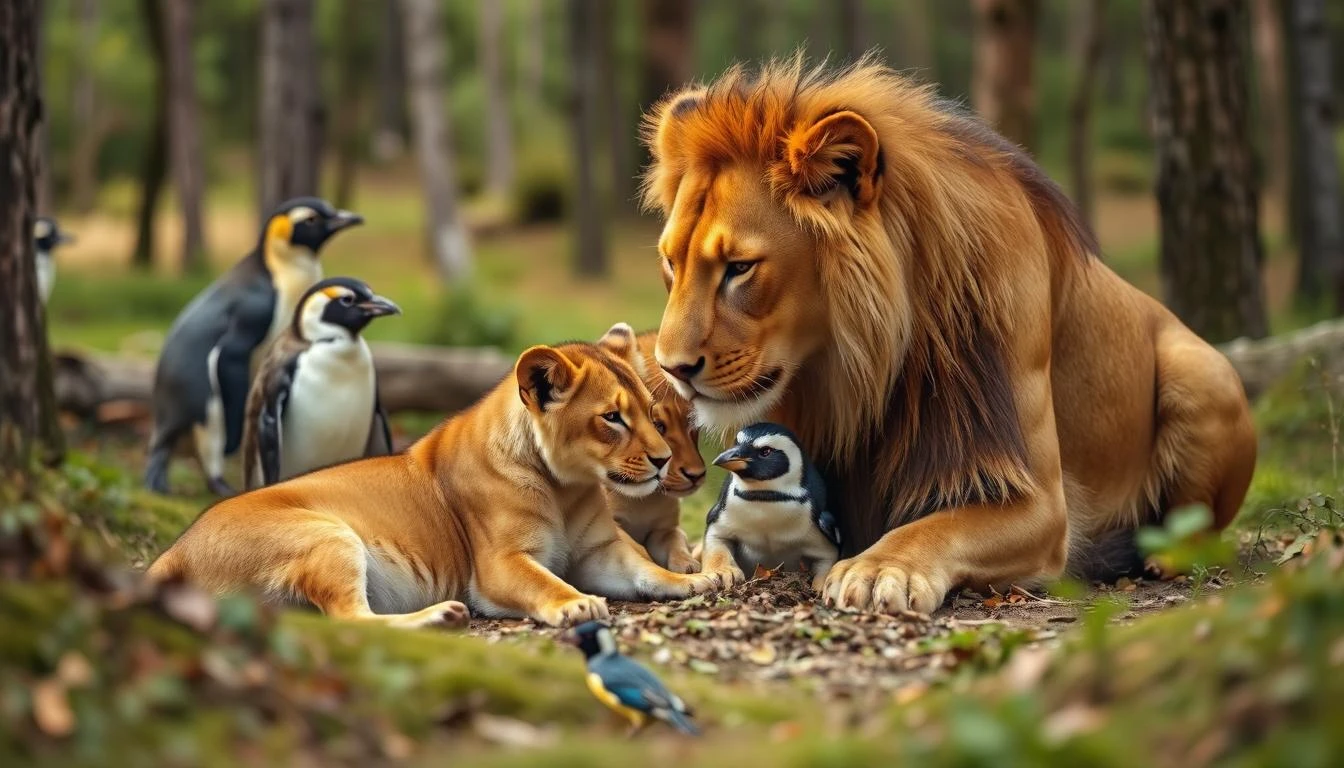
Have you ever wondered what really happens deep inside forests, across vast savannas, or beneath the ocean surface when humans are not watching? Every day, countless wildlife encounters unfold in ways that are both extraordinary and surprisingly relatable. From acts of survival to unexpected cooperation, the natural world is filled with stories that reveal the remarkable intelligence and resilience of animals living in the wild.
Among the most fascinating examples are Animal Stories wild world, which offer a closer look at how creatures adapt, communicate, and thrive in ever-changing environments. These real-life narratives provide more than entertainment; they help us understand the hidden connections that sustain ecosystems and reveal behaviors that continue to surprise scientists, photographers, and nature enthusiasts around the globe.
Understanding Real Animal Stories in the Wild
When people think about wildlife, they often imagine dramatic hunts or rare animal sightings. However, the most meaningful stories often emerge from ordinary moments that reveal how animals survive, interact, and build complex relationships within their environments.
The growing interest in Animal Stories wildlife nature reflects a desire to better understand the natural world beyond what is typically seen in documentaries or social media clips. These stories allow us to explore authentic animal behaviors while gaining valuable insight into ecological balance and biodiversity.
Survival Instincts and Natural Behavior
Survival is the driving force behind nearly every action observed in the wild. Animals constantly make decisions based on food availability, environmental conditions, and potential threats. Whether it is a fox adapting to urban landscapes or a polar bear navigating changing Arctic conditions, natural instincts play a crucial role in long-term survival.
Wildlife researchers continue to discover new examples of adaptation across species. Birds alter migration routes, predators refine hunting strategies, and prey animals develop increasingly sophisticated defense mechanisms. These behaviors highlight the incredible flexibility found throughout nature.
Predator and Prey Dynamics
One of the most captivating aspects of wildlife observation is the relationship between predators and prey. Every encounter represents a delicate balance shaped by evolution over thousands of years.
Predators rely on speed, patience, camouflage, and intelligence to secure food, while prey species depend on vigilance, agility, and group cooperation to stay alive. This ongoing interaction helps maintain healthy ecosystems and prevents population imbalances that could disrupt entire habitats.
As renowned naturalist David Attenborough once explained, every species plays a role within a larger ecological network, and understanding these connections helps us appreciate the complexity of life on Earth.
Social Structures in Animal Groups
Contrary to popular belief, many animals depend heavily on social cooperation rather than individual strength. Wolves coordinate hunting efforts, elephants support vulnerable herd members, and dolphins communicate through sophisticated vocal signals.
These social structures improve survival rates and strengthen community bonds. In many cases, younger generations learn critical survival skills directly from older members, ensuring valuable knowledge is passed along and preserved.
Emotional Intelligence in Wildlife Observation
The more scientists study wildlife behavior, the more evidence emerges suggesting that many species possess complex emotional and social capabilities. Looking beyond simple survival instincts reveals a deeper layer of animal interaction that continues to intrigue researchers worldwide.
Understanding these emotional dimensions helps observers interpret behaviors more accurately while fostering a stronger connection with the natural world.
Recognizing Animal Communication Signals
Communication in nature extends far beyond sounds. Animals use body posture, facial expressions, scent markers, movement patterns, and visual displays to share information with others.
Researchers studying wildlife communication have documented remarkably sophisticated signaling systems among birds, marine mammals, primates, and insects. These communication methods help establish territory, warn of danger, strengthen social bonds, and coordinate group activities.
By learning to recognize these signals, wildlife observers can gain a more nuanced understanding of animal behavior and ecosystem dynamics.
Family Bonds in the Animal Kingdom
Some of the most touching wildlife stories involve family relationships. Elephant mothers fiercely protect their calves, emperor penguins endure harsh winters to safeguard their young, and many primate species display nurturing behaviors that resemble human caregiving.
These strong family bonds contribute significantly to species survival. Young animals learn essential skills through observation and guidance, allowing them to navigate future challenges more effectively.
According to Jane Goodall, understanding the emotional lives of animals has transformed how humanity views its relationship with nature, highlighting similarities that were once overlooked.
Migration and Seasonal Movement Patterns
Migration remains one of nature's most extraordinary phenomena. Across continents and oceans, animals embark on journeys that test endurance, navigation skills, and survival instincts.
Birds travel thousands of miles between breeding and wintering grounds, whales cross entire ocean basins, and butterflies navigate remarkable seasonal routes despite their delicate appearance. Scientists continue to investigate how animals use magnetic fields, environmental cues, and inherited behaviors to complete these incredible migrations.
These seasonal movements also demonstrate how interconnected global ecosystems truly are, emphasizing the importance of protecting habitats across multiple regions.
Documenting Wildlife Stories Through Photography and Film
Many of the wildlife stories that inspire people worldwide are made possible through the dedication of photographers, filmmakers, and researchers who spend countless hours observing nature responsibly.
Their work allows audiences to witness moments that would otherwise remain hidden, creating powerful connections between people and wildlife.
Ethical Storytelling in Nature Documentation
Ethical wildlife storytelling prioritizes authenticity and animal welfare above everything else. Responsible photographers and filmmakers avoid interfering with natural behaviors or placing animals under unnecessary stress.
Authentic documentation not only protects wildlife but also produces more meaningful stories. Genuine moments often carry a greater emotional impact because they reflect the reality of life in the wild rather than staged scenarios.
Field Research and Observation Techniques
Successful wildlife observation requires patience, preparation, and careful planning. Researchers spend extensive time studying habitats, tracking movement patterns, and documenting behavioral changes over long periods.
Modern technology, including remote cameras and satellite tracking systems, has expanded our ability to gather information while minimizing disturbance. These tools continue to reveal previously unknown behaviors and ecological relationships.
Capturing Emotional Wildlife Moments
Some wildlife photographs become unforgettable because they capture a powerful story within a single frame. A parent protecting its offspring, a herd working together during adversity, or a rare act of cooperation can resonate deeply with viewers.
When supported by scientific understanding, these moments help bridge the gap between observation and emotional connection, encouraging greater appreciation for wildlife conservation and environmental stewardship.
Start Sharing Powerful Animal Stories From The Wild
Every wildlife encounter has the potential to become a meaningful story. Whether discovered through personal observation, photography, research, or documentary filmmaking, these narratives help people better understand the incredible diversity of life on our planet.
As you explore more wildlife stories, you may begin noticing details that once seemed insignificant—a subtle communication signal, a family interaction, or a remarkable adaptation strategy. These moments remind us that nature is constantly teaching valuable lessons about resilience, cooperation, and survival. The next great wildlife story may be unfolding right now, waiting for someone curious enough to pay attention and share it with the world.